
Properly packing your items before placing them in storage is essential to ensure they remain in good condition.
Without the right preparation, belongings can suffer from moisture damage, dust build-up, and even breakage due to improper stacking or insufficient protection.
Many people underestimate the importance of careful packing, only to find their items damaged when they retrieve them from storage. By following best practices, you can significantly reduce the risk of deterioration and keep your possessions safe for as long as necessary.
Storage units provide a convenient solution for keeping your belongings secure, whether you’re moving home, decluttering, or needing extra space. However, not all storage situations are the same, and different types of items require specific packing techniques.
In this guide, we’ll cover the best methods for packing and organising your possessions, from furniture and fragile items to clothing and electronics, ensuring they remain in pristine condition while in storage.
Choose the Right Storage Facility
Before packing your items, it’s important to choose a high-quality storage facility that provides the right conditions. Look for a unit that is clean, well-maintained, and secure, as this will reduce the risk of damage or theft.
Climate-controlled units are particularly beneficial for items such as furniture, electronics, and important documents, as they help to regulate temperature and humidity levels.
This prevents warping, mould growth, and other types of deterioration caused by extreme conditions.
Security is another major factor to consider when selecting a storage facility. Choose a provider that offers features such as CCTV monitoring, gated access, and individual locks for each unit.
A reputable storage facility will also have pest control measures in place to prevent infestations that could damage your belongings.
By ensuring the storage environment is suitable, you can add an extra layer of protection to your items before you even begin packing.

Gather High-Quality Packing Materials
Using the right packing materials is crucial to safeguarding your belongings during storage. Invest in sturdy cardboard or plastic boxes, as flimsy or damaged containers can collapse under pressure, leading to breakage.
Plastic boxes with secure lids are ideal for keeping out dust and moisture, while double-walled cardboard boxes provide extra durability for heavier items.
Additionally, ensure you have plenty of bubble wrap, packing paper, and foam padding to cushion delicate items and prevent movement within boxes.
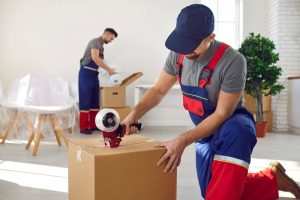
Heavy-duty packing tape is essential for securely sealing boxes, preventing them from accidentally opening while in storage. Labelling your boxes clearly will also make it easier to find items when you need them, reducing the risk of unnecessary handling and potential damage.
If you’re storing fragile items, use “FRAGILE” stickers or write handling instructions on the boxes to ensure they are stacked appropriately.
Pack Fragile Items with Extra Care
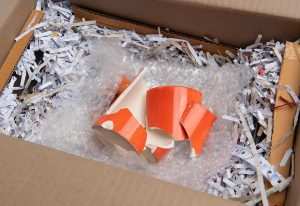
Fragile items such as glassware, ceramics, and ornaments require special attention when being packed for storage. Wrap each item individually with bubble wrap or packing paper to create a protective layer that absorbs shocks and prevents scratches.
For added protection, consider using dividers inside boxes to keep fragile items separated. Plates, for example, should be packed vertically like records, as this reduces pressure and minimises the risk of breakage.
Once packed, fill any empty spaces in the box with soft materials such as crumpled packing paper, foam peanuts, or towels to prevent movement during transit and storage.
Avoid overloading boxes with heavy items, as this increases the likelihood of them breaking through the bottom. If storing fragile items for an extended period, choose a location within the storage unit where they won’t be crushed under heavier boxes.
Protect Furniture and Large Items
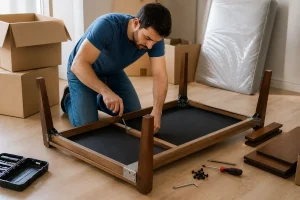
Furniture requires proper protection to prevent damage while in storage. Where possible, disassemble larger pieces such as bed frames, tables, and shelving units to save space and reduce the risk of stress fractures or warping.
Keep all screws, bolts, and assembly parts in a clearly labelled bag and tape it to the corresponding piece of furniture for easy reassembly.
For upholstery and wooden furniture, use dust sheets, furniture covers, or blankets to prevent dust accumulation and protect against scratches.
Avoid using plastic coverings directly on furniture, as this can trap moisture and lead to mould growth. If storing furniture long-term, consider raising it slightly off the ground using wooden pallets to improve airflow and prevent moisture damage from the floor.
Prevent Moisture and Mould Build-Up
Moisture is one of the biggest threats to stored items, particularly in non-climate-controlled units. To combat this, place moisture absorbers, such as silica gel packs or dehumidifiers, inside storage boxes.
These help to regulate humidity levels and prevent mould and mildew from forming on clothes, books, and furniture.
Good air circulation is also essential in preventing moisture build-up. When arranging items in your storage unit, avoid stacking boxes directly against the walls to allow for airflow.
If you’re storing delicate fabrics or wooden furniture, ensure they are completely dry before packing to reduce the risk of dampness setting in over time.
Organise and Label Everything Clearly
Proper organisation within your storage unit makes it easier to find items and minimises the need for unnecessary handling, which can lead to damage. Group similar items together and label boxes clearly with their contents and destination rooms.
Using a numbering system or colour-coded labels can make retrieval more efficient, especially if you plan on accessing stored items regularly.
Keeping an inventory list is another useful step, particularly if you’re storing a large number of boxes. This allows you to track what you’ve placed in storage and makes unpacking or retrieving specific items much more straightforward.
Additionally, storing frequently used items towards the front of the unit ensures they remain easily accessible without having to move heavier boxes.
Store Electronics and Appliances Safely
Electronics require special handling to prevent damage from dust, moisture, and temperature changes. If possible, store devices in their original packaging, as these are designed to offer the best protection.
If the original packaging isn’t available, use anti-static bubble wrap and sturdy boxes to cushion and protect them.
Before placing electronics in storage, remove batteries to prevent leakage and corrosion. Cables should be wrapped separately and secured to avoid tangling or damage.
If storing appliances such as fridges or washing machines, ensure they are thoroughly cleaned and completely dry before storage to prevent mould and unpleasant odours.
Best Practices for Storing Clothing and Textiles
Clothing, bedding, and other textiles should be stored in a way that prevents damage from damp and pests. For long-term storage, vacuum-sealed bags are ideal as they reduce bulk and protect against moisture.
For more delicate fabrics, breathable garment bags or cotton storage bags are a better option, as they allow airflow while keeping dust and insects at bay.
When storing shoes, keep them in individual boxes or fabric shoe organisers to prevent them from getting squashed. Adding moisture-absorbing sachets, such as silica gel packs, inside boxes or bags can help prevent damp-related issues.
Avoid placing clothing directly on the floor of a storage unit and instead use plastic storage bins to keep everything well-organised and protected.
Conclusion
Taking the time to pack your items properly before placing them in storage can make a significant difference in preventing damage.
Using the right materials, organising your belongings efficiently, and choosing a well-maintained storage facility all contribute to keeping your possessions in top condition.
By following these tips, you can ensure that everything from furniture and electronics to fragile items and clothing remains safe and intact.
Investing in proper packing techniques may take a little extra effort initially, but it will save you time and money in the long run by reducing the risk of damage.
Whether you’re using storage for a short-term move or a long-term solution, following these best practices will give you peace of mind, knowing that your belongings are well-protected.