
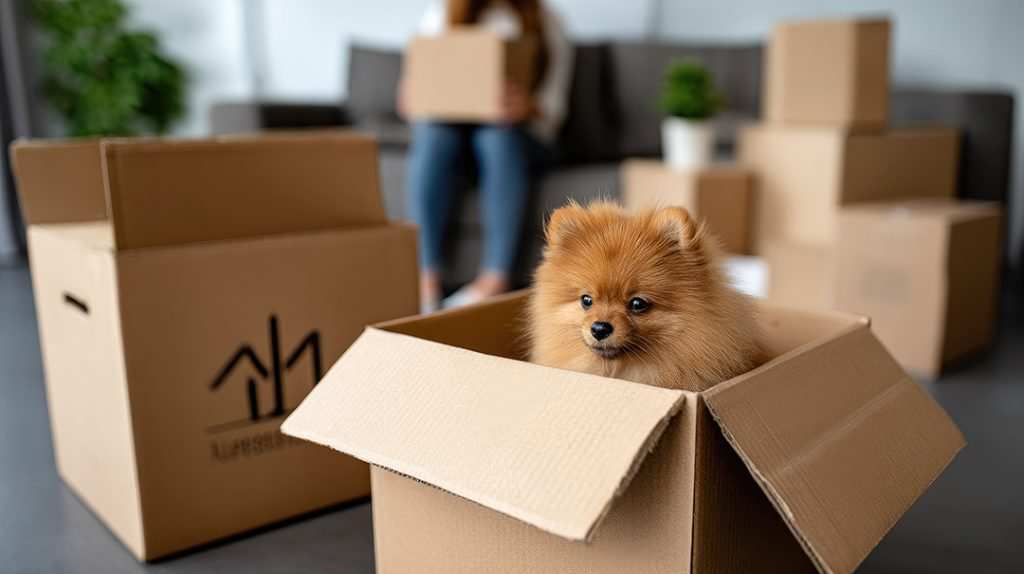
Moving house is a big moment for the whole family, pets included. New smells, new rooms, new routines — it is a lot to process. With a little planning, you can keep anxiety to a minimum and help your animals travel safely and settle quickly. Here is a calm, practical plan you can follow, from first preparations to the first few days in your new home.
As always, if you want a removals schedule that works around your pets, the team at Norman Ferns Removals can help.
4–6 weeks before moving day
Health and admin
Book a routine vet check so you are confident your pet is fit to travel. Ask for copies of medical records if you will register with a new practice. Make sure microchip details and ID tags are correct and ready to update with your new postcode when you move. If your pet is on medication, order a fresh supply so you are covered during the busy period.
Crate and car conditioning
If your dog, cat, or small mammal will travel in a carrier or crate, introduce it early. Leave the door open with a blanket that smells of home, feed treats inside, and build up to short car trips. The aim is for the crate and the car to feel normal and safe rather than a sudden change.
Routines first
Animals take comfort from predictable patterns. Keep feeding, walks, and play at the usual times, even as packing ramps up. If you use pheromone products for cats or calming aids for dogs, start them now so the effect is in place before the move.
Plan with your removals team
Let your Norman Ferns move coordinator know you have pets. Agree which room will be kept as a quiet space on the day, when doors will be opened, and how the team will work around that safe zone. If you have large crates, tanks, or hutches, discuss handling and the order they will be loaded.
1–2 weeks before you move
Pack a pet essentials box
Set aside a clearly labelled box or rucksack that stays with you. Include food for three to five days, bowls, medication, poo bags or litter and tray, lead or harness, toys, grooming kit, spare collar and tags, cleaning wipes, and a roll of bin bags. Add a towel and a familiar blanket that smells of the old home.
Create a calm space
Choose one room to remain last to pack. Keep the bed, water, and a couple of toys or a scratch post in there. Put a sign on the door: Pets inside — please keep closed. This reduces the chance of escapes while the house is busy.
Finalise the travel plan
Decide exactly how each pet will be restrained in the car: a secured crate or carrier, a seat belt harness, or a fitted boot guard. For longer journeys, plan safe rest stops for dogs and keep fresh water to hand. If your pet gets car sick, ask your vet for advice in advance.
Moving day
Before the crew arrives
Exercise dogs early, then feed lightly. For cats and small pets, keep breakfast modest so they travel more comfortably. Pop your pets in their designated quiet room with the door closed, blinds down, and a note for the removals team. Keep the essentials box with you, not on the lorry.
While loading and unloading
Doors will open and close a lot. Confirm with the crew which entrances are in use and keep garden gates shut. If you have a friend or pet sitter who can take dogs out for a long walk during the busiest window, even better. Norman Ferns can work around your safe room first or last as agreed, so your pet is disturbed as little as possible.
In transit
Secure your pet properly before setting off. Keep the car well ventilated, avoid loud music, and speak calmly. Never leave animals in a parked car, even briefly. For nervous travellers, cover part of the carrier to reduce visual stress.
The first 48 hours in the new home
Set up a home base
Before anything else, prepare a quiet room with bed, water, and familiar bedding. For cats, place a litter tray away from food and water; for dogs, establish a spot for bowls and a bed that will not be moved round the house. Keep the door closed while the removals team carries items in.
Re-establish routine
Stick to the same feeding and walking times as before. Introduce rooms gradually so your pet is not overwhelmed. Reward calm behaviour and give extra reassurance without making a fuss of anxiety.
Outdoor rules
Dogs should be lead-walked only until they learn the new area. Check fences and gates before off-lead time. Cats are best kept indoors for two to three weeks; then start short, supervised garden time and call them in for food so they learn to return.
Admin
Register with a local vet and update microchip and insurance details with your new address if you have not done so already.
Species-specific pointers
Dogs
Mental stimulation helps reduce stress. Scatter-feed in the garden, use snuffle mats, or try simple scent games indoors. Keep greetings low key when you nip out, so departures do not become a big event. If your dog is noise sensitive, give them a den or covered crate to retreat to while furniture is assembled.
Cats
Create vertical territory with shelves or a tall scratch post so they can observe from a safe height. Provide at least one litter tray per cat, plus one spare, placed in quiet corners. Consider pheromone diffusers for the first month. Keep windows secured and check that cat flaps are locked until you are ready.
Small mammals (rabbits, guinea pigs, hamsters)
Move them in their own enclosure if possible, keeping their existing bedding to preserve scent. Protect from draughts and extreme temperatures. Rebuild familiar hideaways straight away in the new home.
Birds
Use a stable travel cage with perches secured low to reduce jolts. Keep the carrier partially covered to limit visual stress and avoid draughts. Once settled, uncover gradually and reintroduce the normal perch layout.
Fish
For short moves, transport fish in sturdy, lidded containers with water from the original tank and keep filtration media moist. Set up the tank quickly at the destination and monitor closely. For large tanks or sensitive species, ask an aquatic specialist for tailored guidance.
Reptiles
Transport in secure, insulated carriers and maintain safe temperature ranges with heat packs if advised. Set up the vivarium promptly so heating and lighting cycles return to normal.
When storage helps
A quieter, uncluttered home is kinder to animals during a move. Short-term secure storage can take pressure off both ends of the process by keeping non-essential furniture and boxes out of the way. That means fewer trip hazards, fewer open doors, and a calmer environment while pets adjust. Norman Ferns offers flexible storage options that can be added to your removals plan and accessed when you are ready.
Quick checklists
Pet essentials box
Food, bowls, medication, lead or harness, litter and tray, toys, grooming kit, spare tags, cleaning wipes, towels, blankets, bin bags, water.
Admin and documents
Vet records, insurance details, microchip info, new vet contact, recent photo of your pet.
Room setup
Bed, water, favourite blanket or toy, litter tray for cats, note on the door, blinds or curtains closed.
Quick checklists
Pet essentials box
Food, bowls, medication, lead or harness, litter and tray, toys, grooming kit, spare tags, cleaning wipes, towels, blankets, bin bags, water.
Admin and documents
Vet records, insurance details, microchip info, new vet contact, recent photo of your pet.
Room setup
Bed, water, favourite blanket or toy, litter tray for cats, note on the door, blinds or curtains closed.
FAQs
How long before my cat can go outside?
Most cats are safest indoors for two to three weeks while they map the new home. Start with short, supervised outings and call them back for food.
What if my dog gets car sick?
Feed lightly before travel, keep the car cool, and drive smoothly. Ask your vet about travel aids if sickness is frequent.
Can the removals team work around a pet-free zone?
Yes. Let us know which room is the safe space and we will load and unload with that in mind, keeping doors closed and disruption low.
What if my pet is nervous around strangers?
Consider a pet sitter for the busiest hours, use calming aids as advised by your vet, and keep routines steady. A quiet room and familiar bedding make a big difference.
Planning a move with pets?
Speak toNorman Ferns Removals about a pet-friendly schedule, careful packing, and secure storage. We will build your plan around your animals, so the whole family arrives calmer and settles faster.