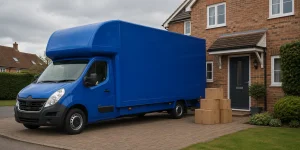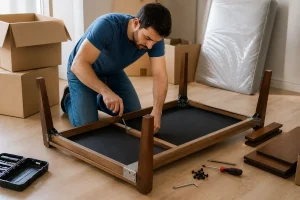
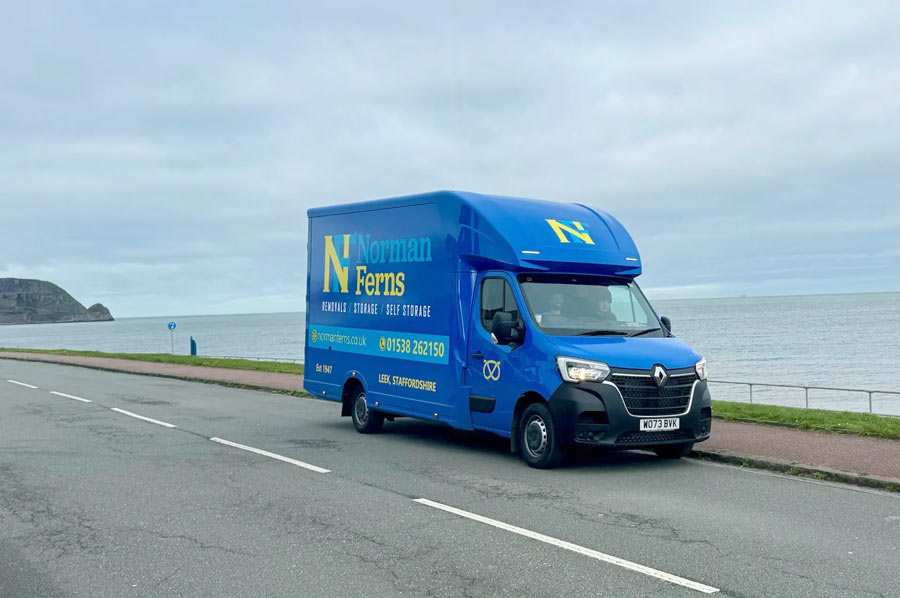
Furniture damage during a long distance move usually happens because of movement, pressure, poor wrapping or rushed handling. A longer journey gives every small mistake more time to cause a problem, which is why professional preparation matters.
Good removals teams do far more than lift heavy items into a vehicle. They plan how each piece will be protected, carried, loaded, secured and checked throughout the move, so your furniture arrives in the condition it left.
Why long distance moves need extra furniture protection
A local move may involve a shorter journey and fewer hours in the vehicle, but a longer move asks more of every packing choice. Furniture can be affected by vibration, repeated braking, changes in road surface and the weight of other items nearby. Even strong pieces can suffer if they are placed badly or left with room to shift.
This is why experienced teams treat furniture protection as a process, not a final layer of wrapping. They look at the shape, weight, finish and weak points of each item before deciding how it should travel. A polished table, a fabric sofa, a wardrobe with removable parts and a glass fronted cabinet all need different handling.
If you are comparing a longer move with a shorter one, it can help to understand what makes long distance moves different from local removals. The main point is simple. The more time your belongings spend in transit, the more important planning, protection and vehicle organisation become.
Careful assessment before anything is wrapped

Protection starts before the first blanket or cover is used. A removals team will usually assess furniture room by room, noting which items are heavy, awkward, delicate, dismantled, recently restored or likely to mark easily. This helps them decide what should be wrapped on site, what should be dismantled, and what needs extra care during loading.
Common checks include looking for loose legs, glass panels, handles, shelves, drawers, mirrors, castors and decorative edges. These areas are often where damage starts if furniture is lifted from the wrong point or packed under pressure from another item.
Good teams will also think about access. Tight staircases, narrow doorways and shared entrances can be more risky than the journey itself if the move is not planned properly. Measuring difficult routes, removing detachable parts and protecting corners can prevent scrapes before the furniture even reaches the vehicle.
For particularly delicate pieces, it may be useful to follow guidance similar to that used when moving valuable or fragile belongings. Norman Ferns has a separate guide on how to safely move antiques and fragile items, which explains why preparation and careful handling are so important for items that cannot simply be replaced.
Wrapping that protects surfaces, corners and weak points

Different furniture needs different materials. Soft covers can help protect polished wood, painted finishes and upholstery from rubbing. Stronger wrapping may be used around corners, legs and edges that are more likely to take contact during handling. Glass, mirrors and removable shelves need separate attention, as they should not be left loose inside furniture.
A professional team will usually avoid wrapping furniture in a way that traps pressure against a weak point. For example, handles, carved details and thin legs should be protected without becoming load bearing points. The aim is to cushion the item while still making it safe to lift and secure.
Drawers and doors also need thought. Some can remain in place if they are secure, while others are better removed to reduce weight and movement. Loose shelves, fixings and fittings should be packed separately and labelled clearly, so nothing gets lost during unloading and reassembly.
Customers often focus on boxes, but furniture needs just as much attention. If you are preparing smaller items before moving day, Norman Ferns also has practical advice in 5 packing steps for an easy move. For furniture, the principle is the same. Pack with the journey in mind, not just the doorway.
Loading the vehicle in the right order

Loading is where experience makes a visible difference. The goal is to create a stable load where weight is balanced, fragile items are protected and furniture cannot move freely during the journey. This is not about fitting items in as quickly as possible. It is about building the load in a sensible order.
Heavier and stronger furniture is usually positioned so it can support the structure of the load without crushing anything vulnerable. Sofas, mattresses and soft furnishings can help create protective zones, but only when they are clean, covered and placed correctly. Tall items need to be secured so they cannot lean, twist or fall against other furniture.
A good loading plan considers:
- Which items need to come off first at the destination
- Where weight should sit for vehicle balance
- How to prevent furniture from rubbing during movement
- Which surfaces need space, padding or separation
- How dismantled parts and fixings will stay together
Long distance moves also benefit from a clear inventory or loading order. This helps the team keep track of what is on the vehicle and reduces unnecessary handling when unloading. The fewer times furniture is moved, turned or repositioned, the lower the risk of damage.
Keeping furniture secure while in transit
Once the vehicle is loaded, the job is not finished. Furniture needs to be secured so it remains stable while the vehicle is moving. Even careful driving cannot remove every bend, bump or stop, so the load has to be prepared for normal road conditions.
Removals teams use vehicle organisation, restraint and spacing to limit movement. The best approach is to remove empty gaps where items could slide, while still avoiding pressure on delicate surfaces. This balance matters because a tightly packed vehicle is not automatically a well protected one. Furniture should be supported, not squeezed.
In transit handling also includes keeping the vehicle organised for breaks, access and unloading. Items should not be placed where they need to be dragged out awkwardly later. A well planned load protects furniture at both ends of the journey, because unloading is often when tiredness and time pressure can lead to mistakes.
For customers arranging a bigger move, using a team that regularly handles long distance moves gives reassurance that these details are part of the service, not an afterthought.
How customers can help before moving day

A removals team should take responsibility for the protection and handling of furniture, but customers can still make the process smoother. The most useful preparation is simple and practical. Clear access, remove personal items from furniture, point out existing damage and mention anything that has special value or needs extra care.
It also helps to decide in advance which furniture will be dismantled, which rooms items are going to, and whether any pieces need to be placed in storage before final delivery. If furniture is going into storage, protection choices may need to account for handling and storage conditions as well as the journey itself.
A clear conversation before moving day allows the team to bring the right materials, allow enough time and plan the order of work. That is much better than discovering a heavy wardrobe, delicate cabinet or difficult access point when the vehicle is already being loaded.
The most important thing is not to leave furniture protection to chance. Long distance removals reward calm planning, careful wrapping and methodical loading, which is exactly where an experienced removals company earns its place.
- Furniture protection starts with assessment, not just wrapping.
- Longer journeys increase the importance of load order, restraint and spacing.
- Different materials and finishes need different protection methods.
- A well planned vehicle load reduces movement, rubbing and pressure damage.
- Clear access and early information help the removals team protect furniture properly.
Frequently asked questions
Should furniture be dismantled for a long distance move?
Some furniture is safer and easier to move when dismantled, especially large wardrobes, bed frames, tables and items with removable shelves or fragile parts. A removals team can advise what should be taken apart and how fixings should be packed.
How do removals teams stop furniture from moving in the vehicle?
They load in a planned order, balance weight, use protective materials, reduce empty spaces and secure items so they cannot slide or fall during normal road movement.
Do sofas and mattresses need protection too?
Yes. Fabric items can mark, rub or collect dust during handling, so they should be covered and positioned carefully. They can also help cushion other items when loaded correctly.
What should I tell the removals team before moving day?
Mention fragile furniture, existing damage, difficult access, items that need dismantling and anything with particular personal or financial value. The earlier the team knows, the better they can plan protection.
Planning a longer move?
Norman Ferns can help plan, protect and move your furniture with care from the first room to the final delivery.