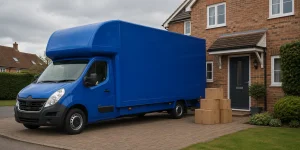

Few moving day problems feel more awkward than a sofa, wardrobe or dining table that reaches the doorway and simply refuses to go any further.
The good news is that this is usually a solvable access problem, not a disaster. With calm checks, safe handling and the right choices, you can protect your furniture, your walls and everyone helping with the move. For broader planning advice, Norman Ferns also shares practical moving tips for a smoother home move.
Pause before forcing it
When furniture will not fit, the worst move is to keep pushing. Pressure can split timber, twist frames, tear fabric, crack door trims or trap fingers. It can also turn a small access issue into damage that takes time to repair.
Stop as soon as the item catches. Take the weight safely, lower it if possible, and give everyone a moment to reset. A calm pause lets you work out whether the issue is width, height, depth, turning space or an awkward angle.
Look for the exact point of contact. It may be the arm of a sofa, a table leg, the top of a wardrobe, a door handle, a stair rail or a low ceiling above the doorway. Often the item is not too large overall, it is just meeting the frame at the wrong angle.
It helps to remove loose cushions, drawers, shelves and detachable parts before trying again. This reduces weight and can prevent sudden movement. Keep all screws and fittings together in a labelled bag if anything is taken off.
If the item has glass, mirrors, loose doors or fragile panels, do not continue until these are secured or removed. Many moving breakages happen when an item is nearly through an opening and people rush the final turn. For extra protection ideas, see these tips on safeguarding belongings from common moving breakages.
Measure the furniture and the access properly
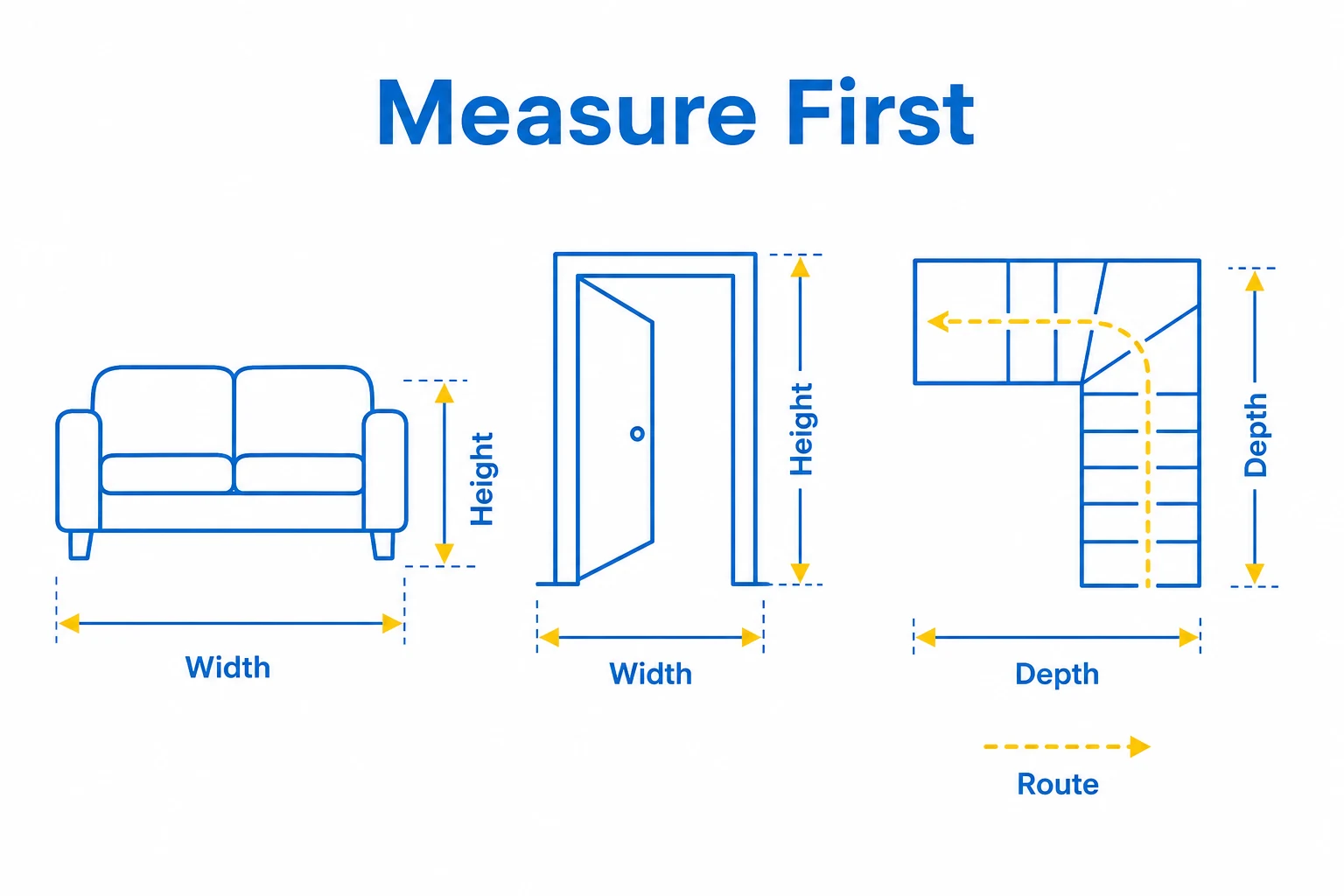
Guesswork is rarely useful with awkward furniture. Measure the item at its widest, tallest and deepest points, including handles, feet, arms, cushions, decorative trim and any fixed protrusions.
Then measure the access route, not just the doorway. Check the door opening with the door fully open. Measure the hall width, ceiling height, stair width, landing depth and any sharp turns. A piece may pass through a doorway but still fail because there is not enough space to rotate it beyond the frame.
For sofas and armchairs, compare the door opening with the lowest profile of the item. Sometimes standing a sofa on end, rotating it through the doorway and then levelling it inside the room works. Sometimes the arms, back angle or fixed feet make that impossible.
For wardrobes, cabinets and tables, check whether the item can be tipped safely without stressing joints. Tall furniture may need more ceiling height than expected when angled. Heavy items should only be tilted by people who can control the weight and communicate clearly.
Make a simple access note before moving day if you already suspect a problem. Write down the tightest measurements and share them with your removals team. This helps them plan equipment, handling and order of loading before the pressure of moving day begins.
Try the safe adjustments first
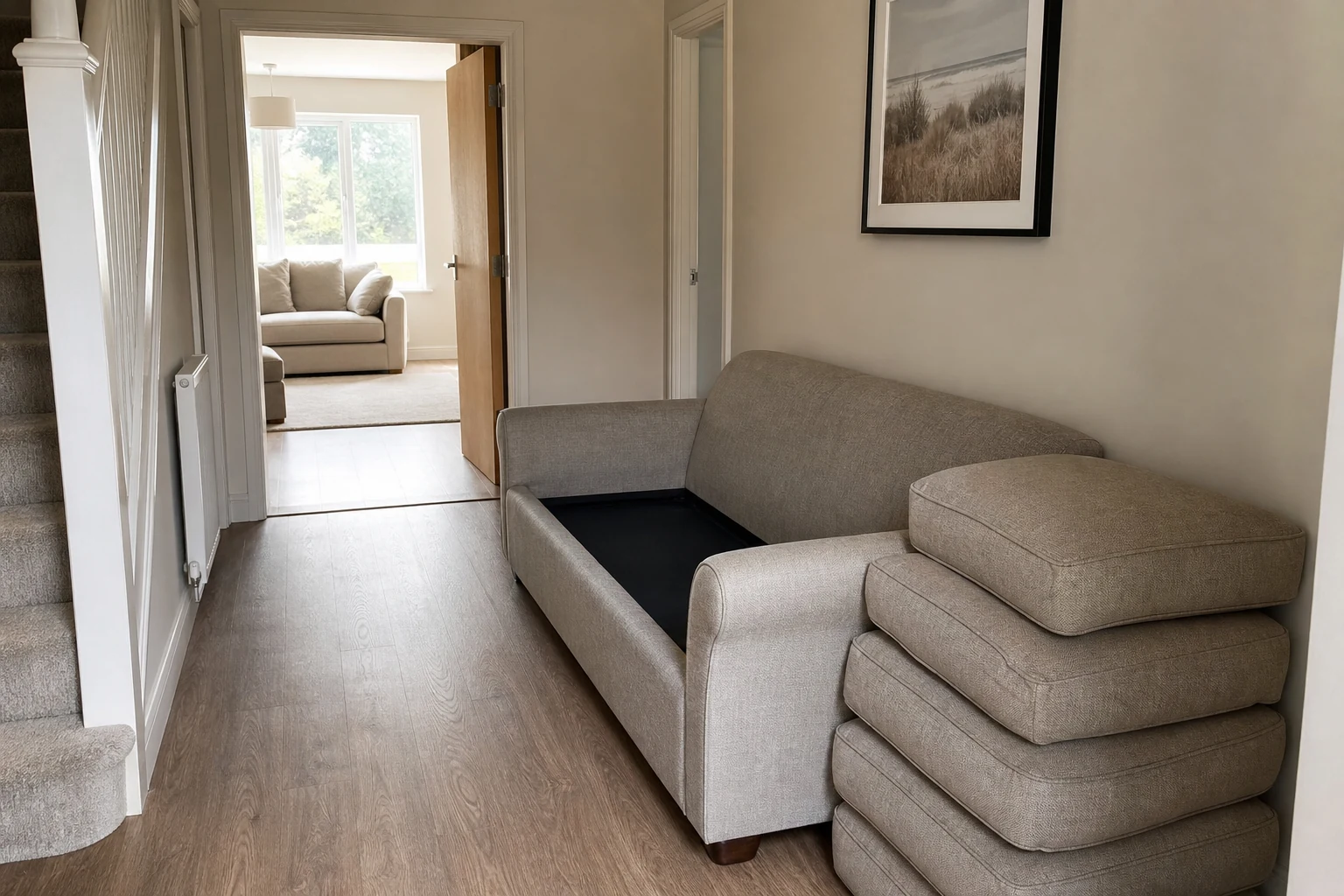
Before considering more involved options, work through the simple access fixes. Open doors as far as they will safely go. If a door is blocking the angle, it may be possible for a competent person to lift it off its hinges, but only if it can be done without damaging the frame or floor.
Remove door mats, rugs, clutter, lamps, plant pots and anything that narrows the route. Clear both sides of the doorway so the people carrying the furniture have room to step, pivot and set the item down if needed.
Protect contact points with moving blankets or suitable covers. Padding helps prevent scrapes, but it also adds thickness, so use it sensibly. For very tight spaces, protect the doorway and the vulnerable furniture edges without adding bulky layers everywhere.
Use the right grip. Do not lift from weak trim, decorative rails, loose arms or thin panels. Keep hands clear of pinch points and agree simple instructions before moving, such as stop, lower, tilt and turn. One person should guide the movement, rather than several people calling out at once.
Never drag heavy furniture across floors just because it is difficult to lift. Sliding can damage flooring and can put strain on furniture joints. If the item is too heavy or awkward to control, that is a clear sign to stop and bring in experienced help.
Know when disassembly is sensible
Disassembly can solve many doorway problems, but it is not always the answer. The key question is whether the item was designed to come apart and go back together securely.
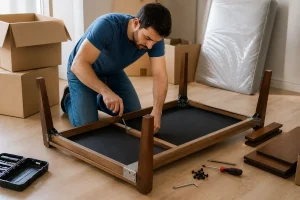
Flat pack wardrobes, bed frames, tables with removable legs and some shelving units are usually good candidates. Sofas may have removable feet or backs, but many are not designed for full disassembly without specialist knowledge. Older furniture can have glued joints, hidden fixings or delicate finishes that need careful handling.
Before taking anything apart, photograph the item from several angles. Photograph fixings as they are removed. Put screws, bolts and small parts in a sealed bag and label it clearly. Tape the bag to a safe internal surface only if it will not mark the finish. Otherwise, keep it in a clearly named box.
If removing legs, handles or doors changes the balance of the item, plan how it will be lifted afterwards. Furniture can become harder to handle once its normal grip points are gone.
Do not force fixings that feel stuck. Stripped screws, cracked panels and damaged hinges can create a bigger problem than the doorway itself. If an item is valuable, fragile, unusually heavy or complicated, ask a professional before taking it apart.
Consider alternative access without taking risks
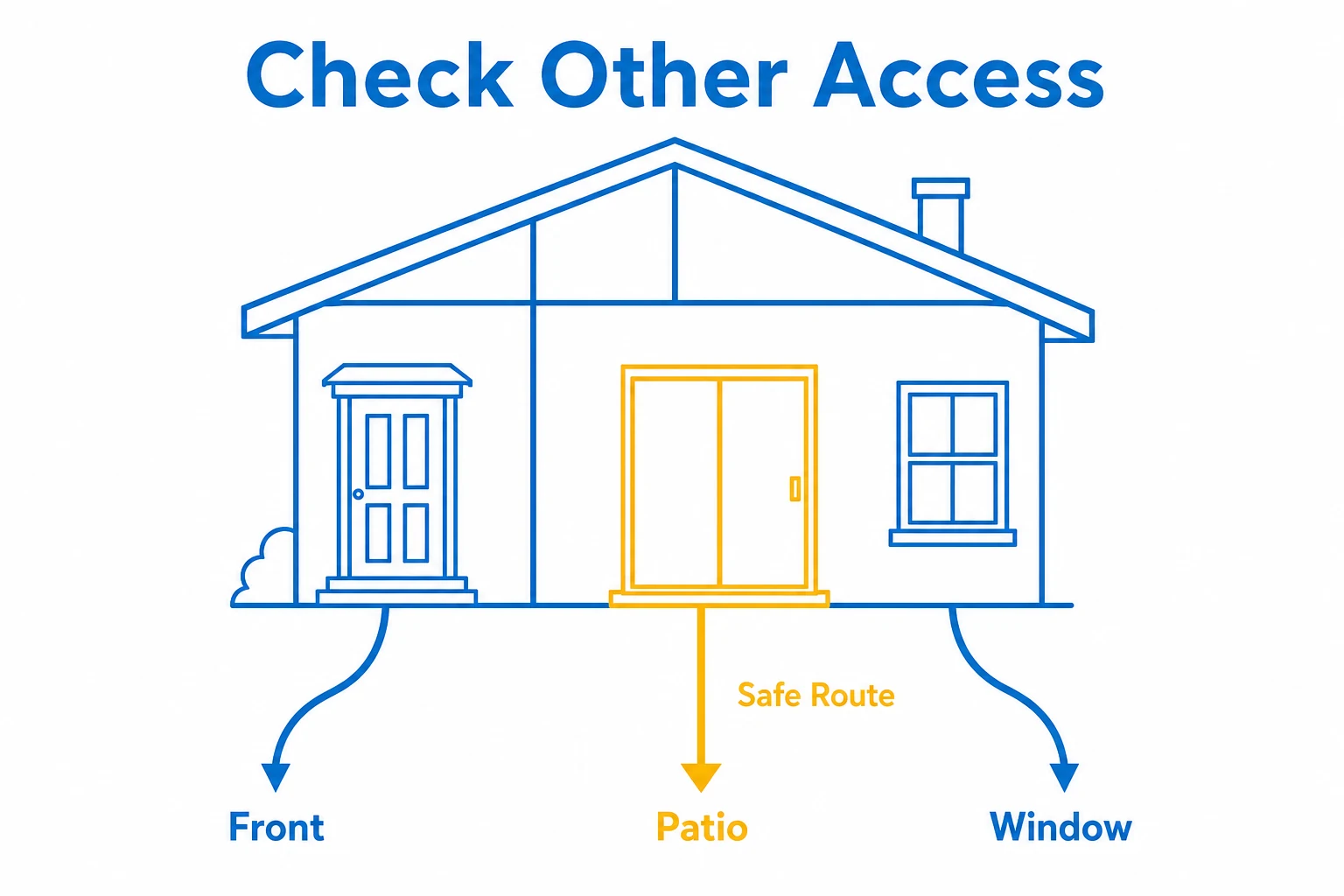
Sometimes the front doorway is not the best route. A back door, wider patio opening, garage access or another entrance may give a better angle. Check the full route, including steps, thresholds, outdoor surfaces and turns into the room.
Do not assume a window is a simple solution. Removing windows, lifting furniture through openings or using upper level access can carry serious safety and damage risks. This should only be considered by experienced professionals with suitable equipment and a proper assessment.
Think about the order of the move too. Large furniture may need to go in before boxes fill the hallway. At the new property, the largest pieces often need to be placed first so there is room to manoeuvre them into position.
If access is uncertain, tell the removals team before moving day. A good team can assess likely problems, bring suitable covers and handling aids, and decide whether an item should be moved earlier or later in the loading order.
This kind of planning also reduces moving stress. When people know what will happen with awkward items, the day feels more controlled. Norman Ferns has further guidance on practical ways to manage moving stress during a busy move.
When to call a professional removals team
There are times when the safest decision is to stop and get professional help. This is especially true for large sofas, heavy wardrobes, pianos, antiques, solid wood furniture, glass fronted cabinets and anything that needs more than two people to control safely.
An experienced removals team will look at the furniture, the doorway and the route together. They will consider angles, weight, weak points, floor protection and the safest sequence. They may decide that a small adjustment is enough, or that the item needs careful part removal, specialist wrapping or a different route.
Professional help is not just about strength. It is about judgement. The right handling can prevent damage to the item, the property and the people involved. It can also avoid the frustration of repeated attempts that make everyone tired and more likely to make mistakes.
If you are preparing for a move and already know certain items are awkward, mention them when arranging your removal. Share photos if useful, along with measurements and any known access concerns. Clear information helps the team arrive ready for the real job, not an ideal version of it.
For particularly specialist items, such as pianos, the planning needs to be even more careful. These safe piano moving steps explain why access, weight and handling all matter so much.
- Stop as soon as furniture catches, forcing it can cause damage or injury.
- Measure the item and the whole access route, including turns and landing space.
- Remove loose parts and clear the route before trying a safer angle.
- Only disassemble furniture that is designed to come apart securely.
- Call a removals team when the item is heavy, fragile, valuable or difficult to control.
Frequently asked questions
What should I do first if a sofa will not fit through the door?
Stop pushing, lower it safely if possible, and check exactly where it is catching. Remove cushions and loose parts, measure the sofa and doorway, then try a controlled change of angle only if everyone can handle the weight safely.
Can removing a door help furniture fit through?
It can help when the door itself blocks the turning angle. Only remove a door if it can be done safely without damaging the hinges, frame or floor. If you are unsure, leave it to someone experienced.
Should I take furniture apart before moving day?
Take apart items that are designed for it, such as bed frames, some tables and modular units. Photograph the process and keep fixings labelled. Avoid dismantling complex, old, fragile or valuable furniture without professional advice.
When is furniture too risky to move without help?
If the item is very heavy, hard to grip, fragile, valuable, or needs a difficult turn through a tight space, professional help is the safer choice. The risk is not only dropping it, but also damaging walls, floors, door frames or the furniture itself.
Need help with awkward furniture?
If you are worried about tight access or difficult furniture on moving day, Norman Ferns can help you plan the safest way to handle it.